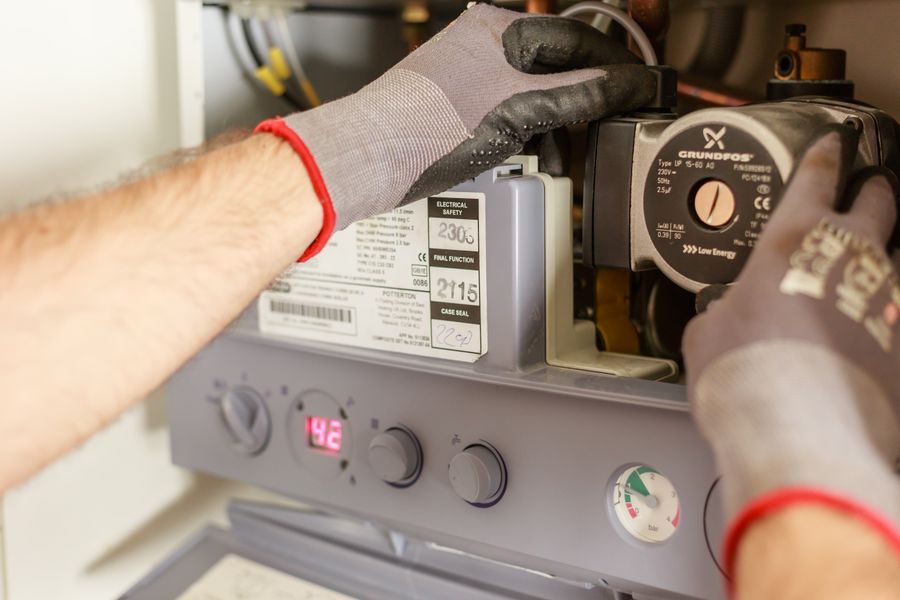
Not every appliance hiccup means you need to call for help. A fridge that's running a little warm, a dryer that's taking an extra cycle, or a dishwasher that leaves a faint smell can often be fixed in a few minutes with tools you already have at home. But some problems look small on the surface and turn into bigger, more expensive repairs if you try to handle them yourself. Here's how our technicians think through that decision every single day, so you can make the same call with confidence.
Start With Three Questions
Before you pull out a screwdriver or pick up the phone, ask yourself these three things:
- Is it safe? Anything involving gas lines, high-voltage electrical components, or refrigerant should go to a licensed technician, no exceptions.
- Could I make it worse? If the fix involves removing panels, disconnecting wiring, or anything you can't easily put back the way it was, that's a sign to pause.
- Is the appliance still under warranty? Opening up a unit yourself can sometimes void the manufacturer's warranty, even for a simple-looking fix.
Usually Safe to Try Yourself
- Cleaning a dryer's lint trap and exterior vent
- Checking that an appliance is actually plugged in and the outlet works
- Resetting a tripped circuit breaker
- Cleaning a dishwasher's filter and spray arms
- Wiping down a refrigerator's door gasket to fix a poor seal
- Leveling a washing machine that rocks or walks during the spin cycle
Leave This to a Professional
- Anything involving a gas line connection or gas oven igniter
- Refrigerant leaks or a compressor that's failing
- Replacing a heating element inside an oven or dryer
- Electrical issues beyond a simple outlet or breaker check
- Water line connections on a dishwasher or refrigerator
- Any repair that requires disassembling the appliance's internal housing
Why "Small" Problems Sometimes Need a Technician Anyway
Some issues look minor but are actually symptoms of something bigger. A refrigerator that cycles on and off constantly might just need its condenser coils cleaned, but it could also mean a failing compressor. A washer that smells musty might need a simple cleaning cycle, or it could point to a drain hose that's slowly leaking behind the unit. Our technicians are trained to diagnose the real cause, not just treat the symptom you're noticing, which is why a quick visit often saves more money than it costs over time.
A Good Rule of Thumb
If a fix takes less than 15 minutes, uses tools you already own, and doesn't involve water, gas, or electrical wiring beyond the plug, it's usually safe to try. Everything else is worth a quick call first, even just to ask a question.
What Happens When You Call Us Instead
If you're not sure which category your problem falls into, that's exactly what our phone line is for. Describe what you're seeing or hearing, and we'll tell you honestly whether it's something you can handle yourself or whether it's worth a same-day visit. We'd rather talk you through a free fix than send a technician out for something you could have solved in five minutes, and we'll always say so.
Not Sure Which Category Your Problem Falls Into?
Call our team and describe what's happening. We'll tell you straight whether it's a DIY fix or worth a visit.
Call for Emergency ServiceThe Bottom Line
Trying a safe, simple fix first can save you a service call and a few dollars. But when an appliance problem touches gas, refrigerant, electrical wiring, or the internal components of the unit, calling a licensed technician protects both your appliance and your home. When in doubt, a quick phone call costs nothing and can save you from a much bigger repair bill down the road.